
 EN


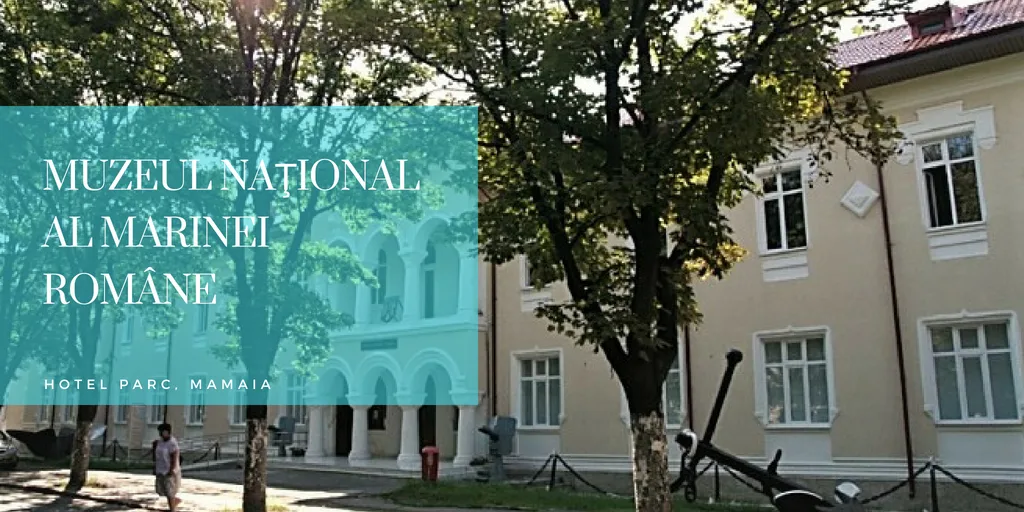
Particular attention is given to the founding of the three cities on the western Black Sea coast, Histria, Tomis and Callatis, and the exchange of material and spiritual traditions between Greek settlers and the native people of Dobruja.
The permanent exhibition follows a chronological sequence across four sections covering ancient, medieval, modern and contemporary history.
In the first galleries, reliefs, casts of inscriptions, coins and graphic works illustrate the beginnings of navigation in the region between the mountains, the Danube and the sea. More than 10,000 square metres are divided into 22 themed rooms, with exhibits closely connected to the history of the city and its navy.
Particular attention is given to the founding of the three cities on the western Black Sea coast, Histria, Tomis and Callatis, and the exchange of material and spiritual traditions between Greek settlers and the native people of Dobruja. Complex relationships developed over many years of contact between the Geto-Dacians and the Greek world. Some of Dobruja’s Getae may have served among the crews of ships from Histria, Tomis or Callatis.
Models, graphic works, photographs and original objects illustrate the entry into service of new naval and merchant vessels, including the training ship Mircea II. The exhibition also traces the development of naval schools and the founding of the Romanian Naval League. When Romania entered the Second World War in 1941, its naval policy shifted towards the missions demanded by the conflict.
More articles