

 EN


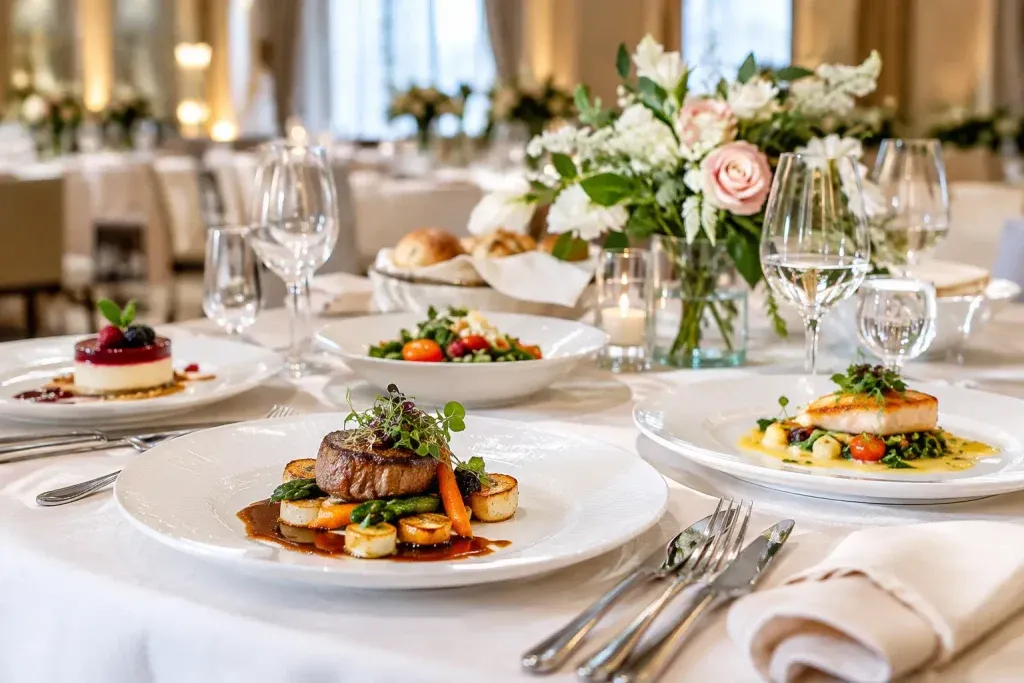
A successful wedding can be felt in the energy of the guests, in the rhythm of the evening and, often, in the way the meal is served. A hotel wedding menu guide starts with a simple idea: dishes should support the atmosphere of the event, not interrupt it. A menu that is too busy is tiring, one that is too simple can seem rushed, and the right choice keeps the balance between refinement, taste and comfort.
In a hotel, the great advantage is that gastronomy, service and logistics are brought together in one place. So you can focus on the story of your day, the decor, the music and the guests, confident that every plate arrives at the table at the right time.
Start with the style of the wedding and the profile of the guests
The menu is not chosen separately from the rest of the event. An elegant wedding with classic decor and an evening program can support carefully plated dishes and multi-stage table service. For a relaxed party by the sea, fresh snacks, Mediterranean combinations and main courses that remain pleasant even on a warm summer evening are suitable.
Look carefully at the guest list. If you have many families, elderly people or children, avoid dishes that are excessively spicy, very elaborate or difficult to eat. If the audience is younger and wants a dynamic party, you can keep an elegant structure of the menu, but with surprising accents: a modern aperitif, a moment of live cooking or a dessert with a spectacular presentation.
There is no need for every dish to impress with complexity. Guests will rather remember the good taste, the fresh ingredients and the feeling that they were taken care of.
Hotel wedding menu guide: structure that works
A balanced wedding menu has a natural rhythm. The aperitif opens the evening and must look good, be varied and not too heavy. As a rule, combinations of fine cheeses, fish dishes, tender meats, fresh vegetables and crunchy elements offer diversity without overloading the table.
Next, depending on the concept, a light hot dish or a fish. For a seaside wedding, fish can be a natural choice, especially if it is prepared simply, with light side dishes and balanced sauces. However, it is not a binding rule. If guests prefer traditional cuisine or meat dishes, a more familiar intermediate dish will be better received.
The main course must offer consistency, but also flexibility. Tender meats, seasonal side dishes and fresh salads remain safe choices. Portioning is also important: an elegant plate should not be modest, but neither should it turn the dance floor into a long digestion break.
Towards the end, sarmales or a traditional dish can bring that feeling of celebration that many guests are waiting for. At summer weddings, smaller portions and carefully timed serving help keep the dish a pleasure, not a heavy part of the evening.
Choose seasonal dishes
The season influences more than the floral decoration. In the warm months, the menu needs freshness: greens, ripe vegetables, fruits, fine cheeses, fish and light sauces. Very heavy dishes can be excellent in winter, but in a full hall, after a sunny day and a cocktail on the terrace, they can become less suitable.
Fall and winter allow for richer textures, warm sauces and hearty side dishes. Spring offers a generous ground for delicate dishes, with seasonal ingredients and bright colors. Don’t choose a menu just because it looks good in a photo. Ask yourself how that dish will feel after a few hours of dancing and socializing.
At a wedding with a sea view, a menu inspired by the freshness of the coast can naturally complement the decor. At Hotel Parc Mamaia, the beach atmosphere, the sunsets and the elegance of an event organized in a complete destination can become the ideal background for a carefully constructed culinary experience.
Tasting helps you make good decisions
Tasting is not just a formality, but the moment you turn images and descriptions into a real decision. Monitor the taste, temperature, texture and presentation of each dish. A spectacular plating is important, but the dish must remain just as good when it is prepared for a large number of guests.
It is useful to talk openly with the hotel team about your preferences. Say whether you want generous portions, local accents, international options or a mix of tradition and modernity. A hotel with experience in events will know how to recommend adjustments to the order of serving, quantities and choice of side dishes.
During the tasting, try not to evaluate each course in isolation. Consider the full menu. Two excellent dishes can become too rich together, and a more airy sequence can provide a much more pleasant experience from the first appetizer to dessert.
Don’t forget guests with special dietary needs
A thoughtful menu does not mean preparing dozens of different options, but providing clear solutions for predictable situations. Ask ahead of time if there are vegetarian guests, vegans, people with food intolerances or allergies, and children who need simpler dishes.
Alternate options must be as carefully presented as the main menu. A vegetarian guest shouldn’t just get a hastily adapted side dish. A complete, tasty and well-thought-out plate conveys the same care you give to everyone present.
It is good for the organizer, master of ceremonies or family contact to have a list of these requests. This way, the serving team can discreetly identify each guest, without awkward questions or delays at the table.
Drinks should complement, not dominate
Pairing drinks with the menu can elevate the wedding experience, but it doesn’t have to be unnecessarily complicated. White wines are a natural match for light appetizers and fish dishes, while balanced red wines can accompany main courses with meat. For guests who prefer non-alcoholic alternatives, include still and mineral water, lemonades, juices and elegant seasonal options.
Calculate the drinks according to the length of the party, the profile of the guests and the time of day. A daytime wedding usually has a different consumption than one that continues into the morning. A well-built package offers variety but maintains a good quality-to-budget ratio.
In the dessert chapter, the cake remains the star. If you also serve a candy bar, keep the rest of the desserts on the menu more discreet. Too many sweets can go to waste, especially after a full menu and a few hours of partying.
Put the price in the context of the experience offered
When comparing hotel wedding menus, don’t just look at the cost per person. Check what the package includes: number of courses, drinks, cake, tasting, basic decor, serving time, staff and possible accommodation benefits. A seemingly more affordable offer may entail additional costs that appear later.
It is worth investing in dishes that will be served at key moments of the evening and simplifying where guests notice less. For example, a great starter, memorable main course and impeccable service often have a bigger impact than adding an extra dish.
Ask for a clear proposal, adapted to the number of guests and the chosen season. Transparency gives you the freedom to decide relaxedly, without last-minute compromises.
A good meal makes room for conversation, heartfelt toasts and carefree dancing. Choose the dishes that represent you, let the hotel team guide you through the details and keep in the center the joy of having your people close, in an evening worth enjoying leisurely.