
 EN


The idea of creating an ethnography museum by the sea was born at the beginning of the 60s from the efforts of several similar institutions in the country: the Brukental Museum in Sibiu, the Folk Art Museum and the Village Museum in Bucharest.
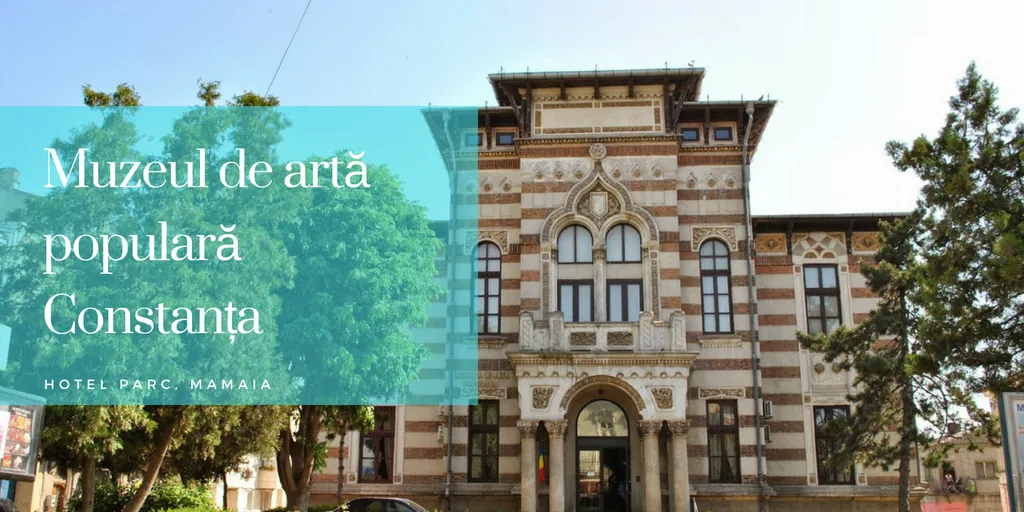
Located in an emblematic building of the city, the Municipal Palace, the Folk Art Museum surprises with its multitude of traditional handmade exhibits.
The museum is housed in a building of great significance for the history of the city. The building was built in 1893 and served for a period of time as the headquarters of the City Hall, being called the Municipal Palace. Over time, the building had other uses, but since 1975 it has housed the Popular Art Museum, a leading cultural institution of Constanta.
The idea of creating an ethnography museum by the sea was born at the beginning of the 60s from the efforts of several similar institutions in the country: the Brukental Museum in Sibiu, the Folk Art Museum and the Village Museum in Bucharest. At its origins, the museum was conceived as an exponent of Dobrogean ethnography, so in 1975 the first exhibition was organized that offered a coherent vision of life in the traditional Dobrogean village.
Floral, plant, animal and human motifs alternate with stripes of varying widths to create distinctive patterns. Woollen textiles for decoration or household use feature alternating bands with geometric motifs repeated evenly across the fabric.
Address and visiting hours for the Constanța Museum of Folk Art
32 Bulevardul Tomis
Opening hours are 09:00–20:00 in summer and 09:00–17:00 in winter.
Hotel Parc supports the promotion of the city of Constanța and the resort of Mamaia, by offering all the necessary information to tourists and more.
More articles