
 EN



A successful coffee break can be seen in the way the guests return to the room: more attentive, more relaxed and ready to continue the conversations started. If you are wondering how to organize a coffee break at the conference, the answer is not just coffee and some pastries. It matters the pace of the program, the type of audience, the space available and how each detail supports the overall experience of the event.
For a seaside conference, the break can become more than just an interval between presentations. It is the time when participants exchange ideas, make new contacts and enjoy a pleasant atmosphere with attentive service and impeccably prepared snacks.
Start with the agenda, not the menu
The first question is not “what are we serving?” but “when does the audience need a break?” In a half-day conference, a coffee break in the morning and one after lunch are usually enough. For full-day events, two well-placed breaks support focus without unduly fragmenting the schedule.
A 20-30 minute break allows time for serving and discussion without creating delays. If the audience is large or consists of participants who do not know each other, 30 minutes is more appropriate. In this interval, people not only consume something quickly, but have time to orient themselves, converse and return to the gym without rushing.
It also sets the access flow. A single serving table can work for a small group, but for a conference with dozens of participants it is more efficient to have two serving points or seating that allows access from both sides. Long queues reduce actual downtime and leave a less attentive impression, no matter how good the menu is.
How to organize a coffee break at the conference depending on the guests
The audience dictates the tone of the break. At a management meeting, an elegant selection of coffees, teas, water, fine savory products and portioned desserts is appropriate. For a team training session or a conference with active sessions, light and energizing options are usually more appreciated: fresh fruit, yogurts, cereal bars, mini-sandwiches and pastries in small portions.
Also take into account the time of day. In the morning, participants look for good coffee, tea, water and delicate snacks that are not too sweet. During the afternoon break, a fine dessert may be welcome, but it is also useful to have salty alternatives. A menu consisting exclusively of sweet products can cause a rapid drop in energy even before an important session.
Guests also have different food preferences. Vegetarian options, lactose-free options or gluten-free products do not have to be an isolated appearance, discreetly tucked away in a corner. Presented clearly and appetizingly, they convey real care for each participant. There is no need for an excessively large menu, but for balanced and correctly signaled choices.
A balanced menu, without waste
A premium coffee break does not mean a loaded table, but a well-thought-out selection. For each participant, plan hot drinks, still and mineral water, plus two or three serving items, depending on the length of the break and the time it takes place. If lunch is coming right after, keep the snacks lighter.
A safe formula combines a sweet product, a salty one and a fresh option. For example, mini-croissants or portioned cakes, small sandwiches or canapés and seasonal fruit. Coffee must be available throughout the break, along with milk, sweeteners and various teas. Water is not a secondary detail, especially in summer or in rooms where many hours are spent.
The amounts depend on the profile of the group. At a busy corporate event, coffee consumption can be higher than at a conference with lots of interactive outdoor sessions. Discuss with the organizing team about the final number of participants and keep a small margin of safety. At the same time, avoid oversizing: food waste does not bring value to the guests or the budget.
The space must invite conversation
The place chosen for the break directly influences the way participants interact. Ideally, the coffee break is organized close to the conference room, but far enough apart that the noise of the conversations does not disturb the ongoing sessions. Natural light, fresh air and an open view can completely change the energy of a group after a few hours of presentations.
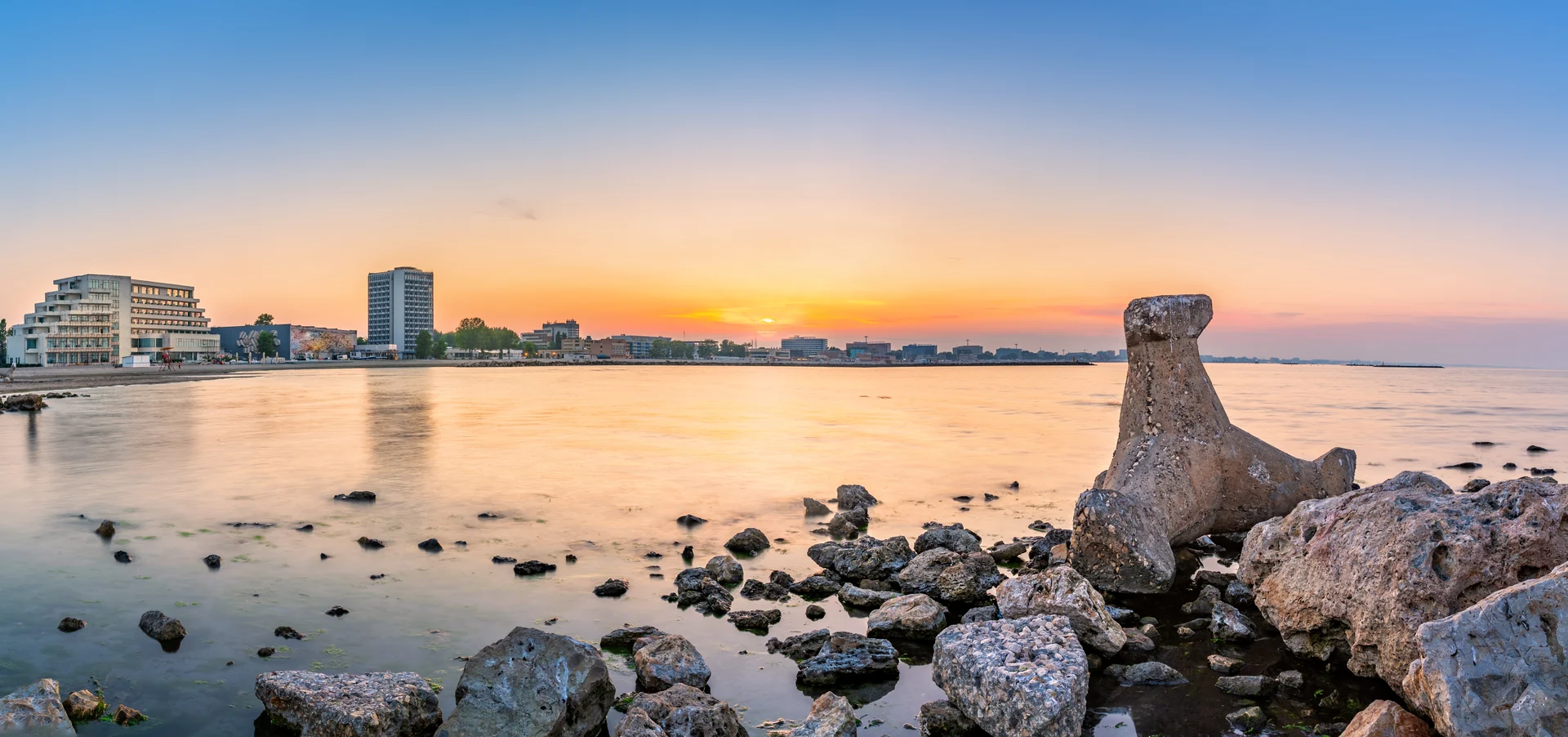
At Hotel Parc Mamaia, the proximity of the sea can give conferences a more pleasant pace: participants leave the formal atmosphere of the room and return with a more relaxed state of mind. For a business event, this is a real difference, not just a nice decoration. A memorable setting supports networking and makes the whole experience easier to associate with attention to detail.
Arrange the space with high tables, if you want to encourage short and dynamic discussions, or with several seating areas, if the participants need a moment of respite. Do not block access with unnecessary furniture and leave room for movement. Identify a separate area for glasses and disposal so that the main table remains tidy throughout the break.
Presentation details matter
Clean dishes, well-placed napkins, unobtrusive labels and constant refills convey professionalism. The products must not be displayed in commercial packaging, and the platters must be taken care of from the first guest to the last. In a business event, visible order inspires the same confidence as punctuality.
If you choose branding for napkins, glasses or labels, keep it classy and understated. The coffee break must not become a billboard. Its purpose is to provide comfort and facilitate relationships between people, not to compete with the messages of the conference.
Coordinate the team and respect the guests’ time
Good service is almost invisible. The staff must know the exact time of the break, the number of participants, the specifics of the menu and the place reserved for each component. Coffee is prepared ahead of time, cold products are kept in proper conditions, and plates are filled before the table seems empty.
It pays to designate a person responsible for quick decisions on the day of the event. If the time of a session changes, if additional guests arrive or if a product needs to be replaced, the organizer and the serving team must communicate directly. This coordination prevents delays and keeps the atmosphere calm.
Before the conference, check some essentials:
- the confirmed number of participants and any last-minute guests;
- allergies, dietary restrictions and labeling of preparations;
- location of outlets, tables, disposal and water points;
- the time at which each coffee break must be prepared;
- contact person available during the event.
Choose comfort, not excess
When organizing a conference coffee break, the temptation is to add as many products as possible. But a premium experience is better built through quality, freshness and rhythm than through illogical abundance. Participants remember an excellent coffee, a well-chosen snack and a break where they felt welcome.
It leaves room for conversation, offers the right options, and creates an environment where every guest can return to the room energized. A carefully organized break can be the very moment when an idea becomes collaboration, and a good conference gets that extra hospitality that people remember.
More articles