
 EN


A successful conference does not begin when the lights are turned on in the room, but when every detail has a clear role. If you’re wondering how to prepare your hotel conference so that guests feel welcome and your team can work without interruptions, start with the complete experience: space, program, technology, meals and breathing time must work together.
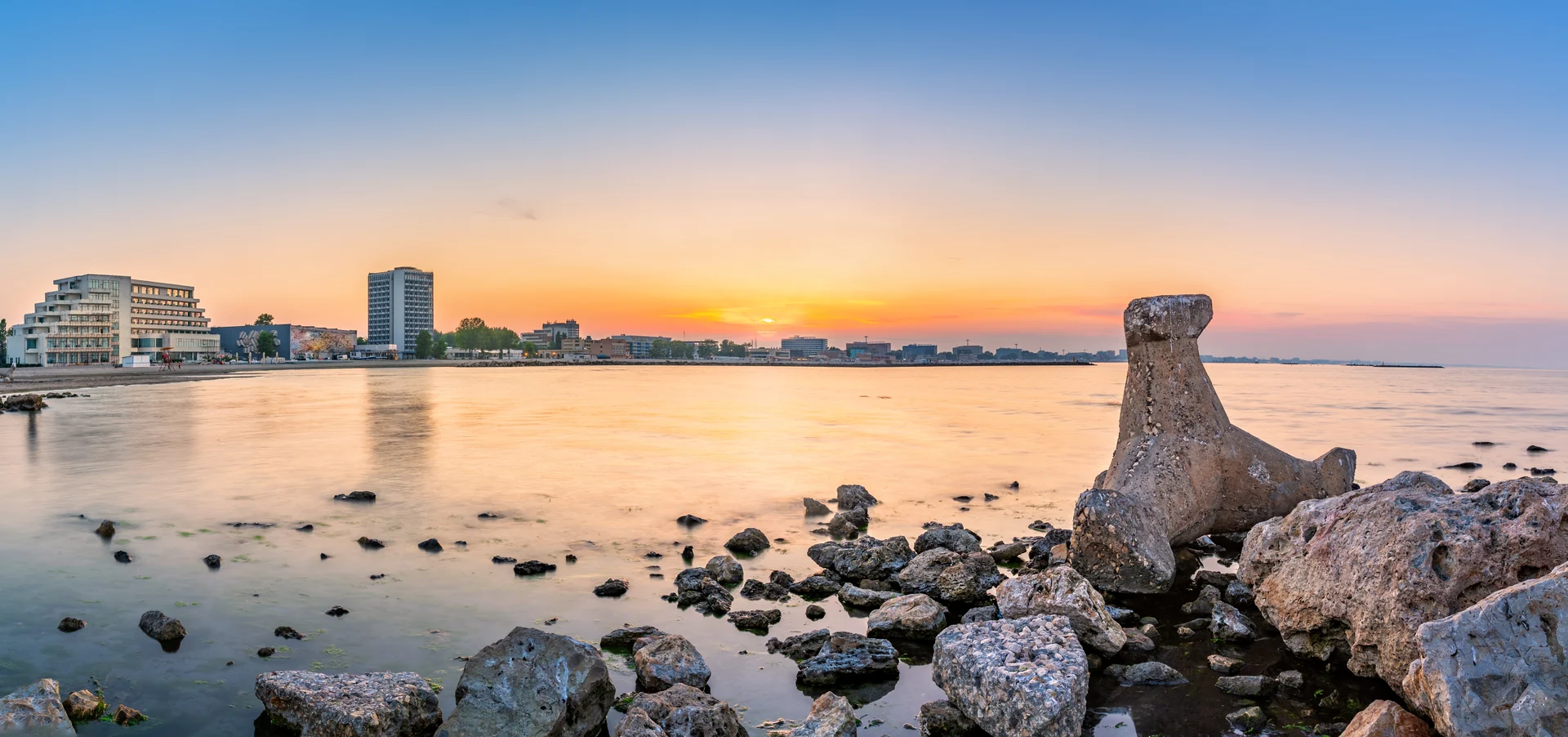
For a corporate event at sea, the context can make the difference. A well-equipped room remains essential, but the view, comfortable accommodation and breaks in a relaxing setting turn a business meeting into an experience that participants will remember fondly.
Determine your goal before booking the room
Before you compare capacities, menus or table configurations, define the result you are aiming for. It can be a strategy presentation for management, a training session, a product launch, a sales convention or a meeting that needs to bring teams from different cities closer together. Each goal requires a different pace, a different room and a different way of using the participants’ time.
Briefly write the answers to a few crucial questions: how many guests you estimate, what profile they have, how long the event lasts, what messages they need to remember and what action you want them to follow after the conference. Add a realistic budget from the start, divided between hall, accommodation, meals, equipment, transport and optional activities. Thus, you choose the right solutions without hasty adjustments in the last week.
The number of participants must be viewed with a margin of safety. For an open enrollment conference, confirmations may change until close to the event. For an internal meeting, the list can be more stable, but it’s worth keeping a few places available for guests or colleagues added later.
How to prepare the conference at the hotel by choosing the right space
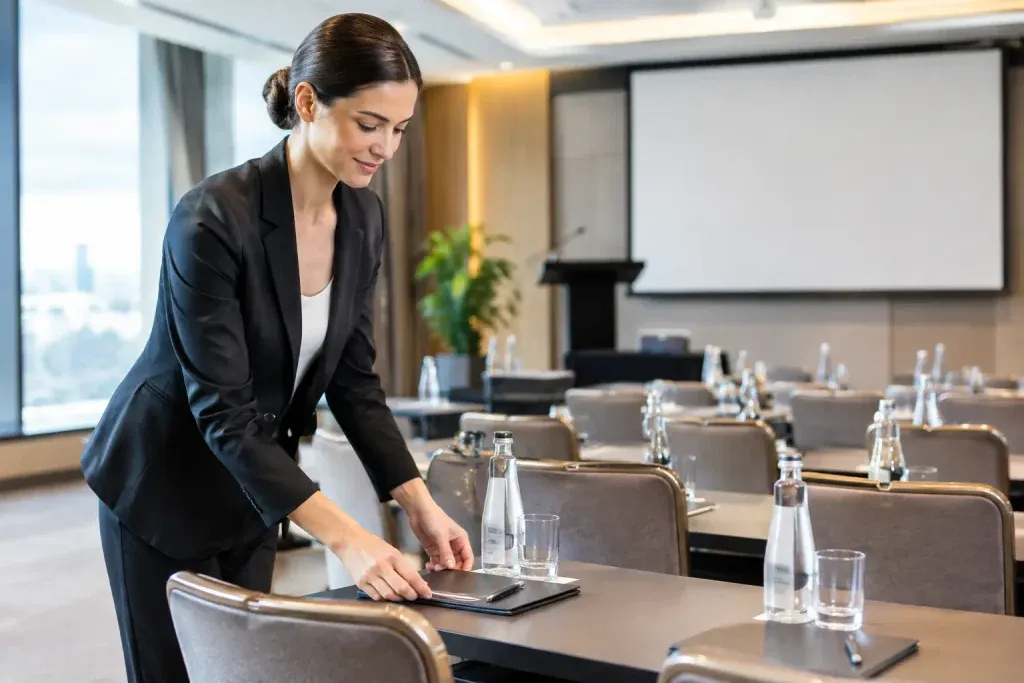
A good gym is not necessarily the biggest. It is the room where participants can see, hear, take notes and ask questions comfortably. For presentations with a large audience, the theater-style arrangement makes efficient use of space. For workshops, U-shaped tables or working groups encourage dialogue. If you have a mixed session, with speeches in the morning and exercises after lunch, ask ahead of time if the room can be reconfigured during the break.
It also checks aspects that do not always appear in photos: natural light and the possibility of darkening, visibility from the last rows, the position of the screen, acoustics, easy access, temperature and space for the reception. If you will have roll-ups, product samples or a networking area, they must complement the room, not crowd the circulation routes.
At Hotel Parc Mamaia, the proximity to the beach can add a more pleasant pace to the meeting, especially for groups staying overnight. Don’t choose a destination just for the scenery, though. The conference must remain logistically accessible, with the venue, accommodation and services available in the same location or within very short distances.
Ask for technical details, not assumptions
Technology is often only noticed when it doesn’t work. Before signing the contract, confirm what the package includes: screen, video projector or display, sound system, microphones, flipchart, clicker for presentations and Wi-Fi connection suitable for the number of participants. For hybrid sessions, you need an additional check for the camera, sound, broadcast platform and the person who will oversee the technical part.
Send the preliminary agenda to the hotel and explain the format of each session. A panel with four guests has different requirements than a speech delivered by a single speaker. If you play clips, test the sound and files first. If you are presenting confidential data, discuss access to the room and how equipment is protected during breaks.
Build an agenda that also leaves room for people
A busy schedule tires out even a motivated audience. Plan focused sessions with clear transitions and breaks at natural intervals. People generally follow content better when you alternate presentations with questions, demonstrations, or small group discussions. Not every minute needs to be busy to make the day seem worthwhile.
The coffee break has a bigger role than it seems. It is the time when ideas are discussed, knowledge is gained and topics that have not found their place on the official agenda are clarified. Place this break near the room and allow enough time for conversation, especially if the participants do not know each other.
Lunch is worth planning according to the pace of the event. A menu that is too heavy can reduce energy in the second part of the day, and a break that is too short can create delays. Communicate in advance any food preferences, allergies or vegetarian options. Taking care of these details conveys respect and reduces unpleasant situations on site.
For conferences of two or more days, the evening program can become a real advantage. A relaxed dinner, a sunset cocktail or a light team building activity helps professional relationships develop naturally. The choice depends on the culture of the organization: some groups prefer free time, while others appreciate a well-organized social moment.
Coordinate accommodation and arrival of participants
When guests come from other cities, accommodation is not a secondary detail. Book in advance a number of rooms according to the estimated list and set a clear deadline for confirmations. Ask for information on check-in and check-out times, parking options, transfers and late arrival conditions.
Send participants an organized message with date, address, registration time, approximate schedule, dress code and an emergency contact number. If you have special guests or speakers, designate a person to welcome them and lead them to the room. A thoughtful welcome eliminates initial excitement and sets the tone for the entire day.
Don’t forget your own time. Get ahead of your guests with your printed agenda, attendee list, presentations saved in two places and supplier contact details. A PDF variant on your phone is useful, but it shouldn’t be your only backup plan.
Create a clear flow on the day of the event
Participants must intuitively know where they are going and what is coming next. The reception area should be visible and badges, materials and any welcome gifts should be prepared in alphabetical order or by category. If the group is large, two check-in points reduce congestion and provide a calmer start.
Make a brief meeting with the hotel representative before the guests arrive. Browse the timetable, confirm service times, number of people, how to reconfigure the room and contact persons. Also establish a simple communication channel for quick adjustments. During a conference there are sometimes delays, technical requirements or last-minute changes, and prompt response matters more than a perfect plan on paper.
Prepare a solution for the foreseeable: a spare laptop, chargers, extension cords, water for speakers, essential prints and a few extra seats. There is no need to turn organization into an exercise in total control. It is enough to anticipate the things that can interrupt the experience of the participants.
Measure experience, not just presence
After the event, ask for feedback while the impressions are still fresh. A short form can ask about the room, clarity of content, quality of meals, comfort of accommodation and general organization. For internal conferences, a 15-minute discussion with the team can reveal more useful observations than an overall score.
Track not only how many people came, but also what they understood, what contacts they made and what steps they took. If the goal was training, ask what tools they will apply. If it was a business meeting, track the conversations or opportunities generated. This information will help you better plan your next edition.
A well-prepared conference offers participants more than a seat at the table and a presentation on the screen. It gives them clarity, focus, and a sense that their time has been well spent. Choose a framework that supports these things, leaves room for real conversations, and makes every moment between sessions a natural part of the experience.