
 EN


Did you know that…
Sulina, the place “where the old Danube loses its waters and its name in the sea”, as Jean Bart wrote in Europolis.
Here the fresh water of the Danube meets the salt water of the sea in a constant embrace. Amid the reedbeds and waterways rises a tongue of sand on which generations have built their lives and livelihoods.
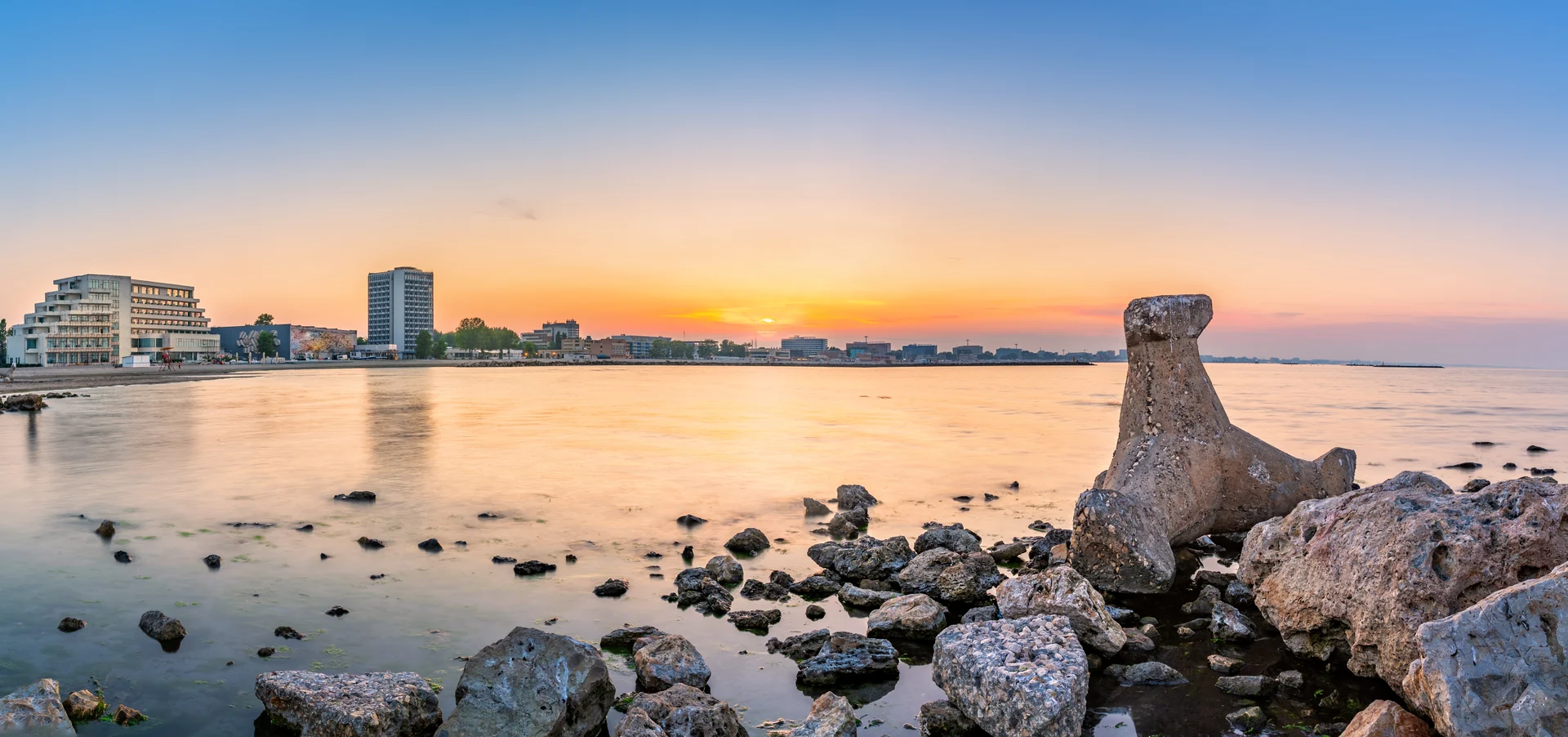
Sulina is a place to slow down. In the warmer months visitors come for the beach, for fishing and for quiet moments in an unspoilt natural setting.
Sulina’s location. The town lies in the Danube Delta, close to where the branch that bears its name flows into the Black Sea. It is Romania’s easternmost settlement, on some of Europe’s newest land. An eastern gateway to the country and the last settlement on the long course of the Danube, Sulina is Romania’s only port town that serves both the Danube and the Black Sea.
The town extends for around 3.9 kilometres along the Danube, with most of its settlement on the right bank.
The 2011 census recorded a population of 3,541.
Sulina’s history. The first recorded mention, as Selina, appears in Constantine VII Porphyrogenitus’s De Administrando Imperio in 950. The name later took several forms, including Selinas and Solina in the writings of Anna Komnene. The Italian cartographer Pietro Visconti recorded Sulina on his pioneering nautical chart of the Black Sea in 1320–1321. It later appeared on maps under a variety of names.
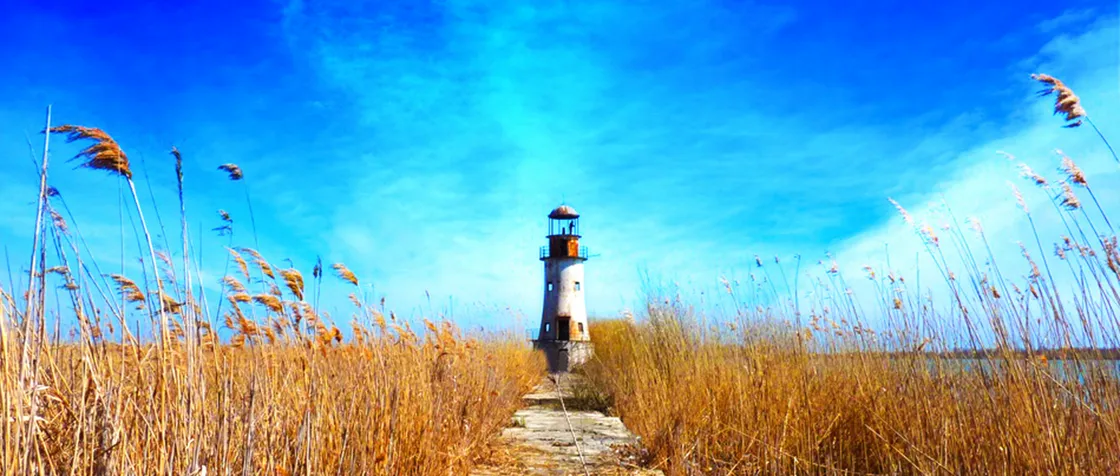
A lighthouse was built in 1745 to help mariners find their way into the Sulina branch. By the end of the 18th century, shallow water at the mouth had made river engineering a pressing issue. Sulina’s importance grew as the Ottoman, Russian and Austro-Hungarian empires laid claim to the town and to the river’s outlet to the sea. Several armed conflicts followed.
The general secretariat of the European Commission of the Danube was established at Sulina in 1856 to promote navigation and trade. By about 1860 the town was well established. The port was built, and the old lighthouse was rebuilt in 1870 to improve navigational safety. In 1878 Sulina became part of Romania after long periods under Ottoman, Russian or Austro-Hungarian influence.
Cutting through the Danube’s great M-shaped bend and opening the navigation canal in 1894 marked another turning point, followed by growing freight and passenger traffic. The town was bombed in both world wars, in 1916, 1941 and 1944. In the last of these more than half was destroyed. Reconstruction began in 1955 under Gheorghe Gheorghiu-Dej, and the town developed further during the 1960s and 1970s.
In October 1977 the explorer Jacques-Yves Cousteau’s ship Calypso anchored in Sulina on its way to the Bosphorus.
Tourism increased after 2000 and helped revitalise the town. Sulina has become a favourite Danube Delta destination for both Romanian and international visitors.
More articles